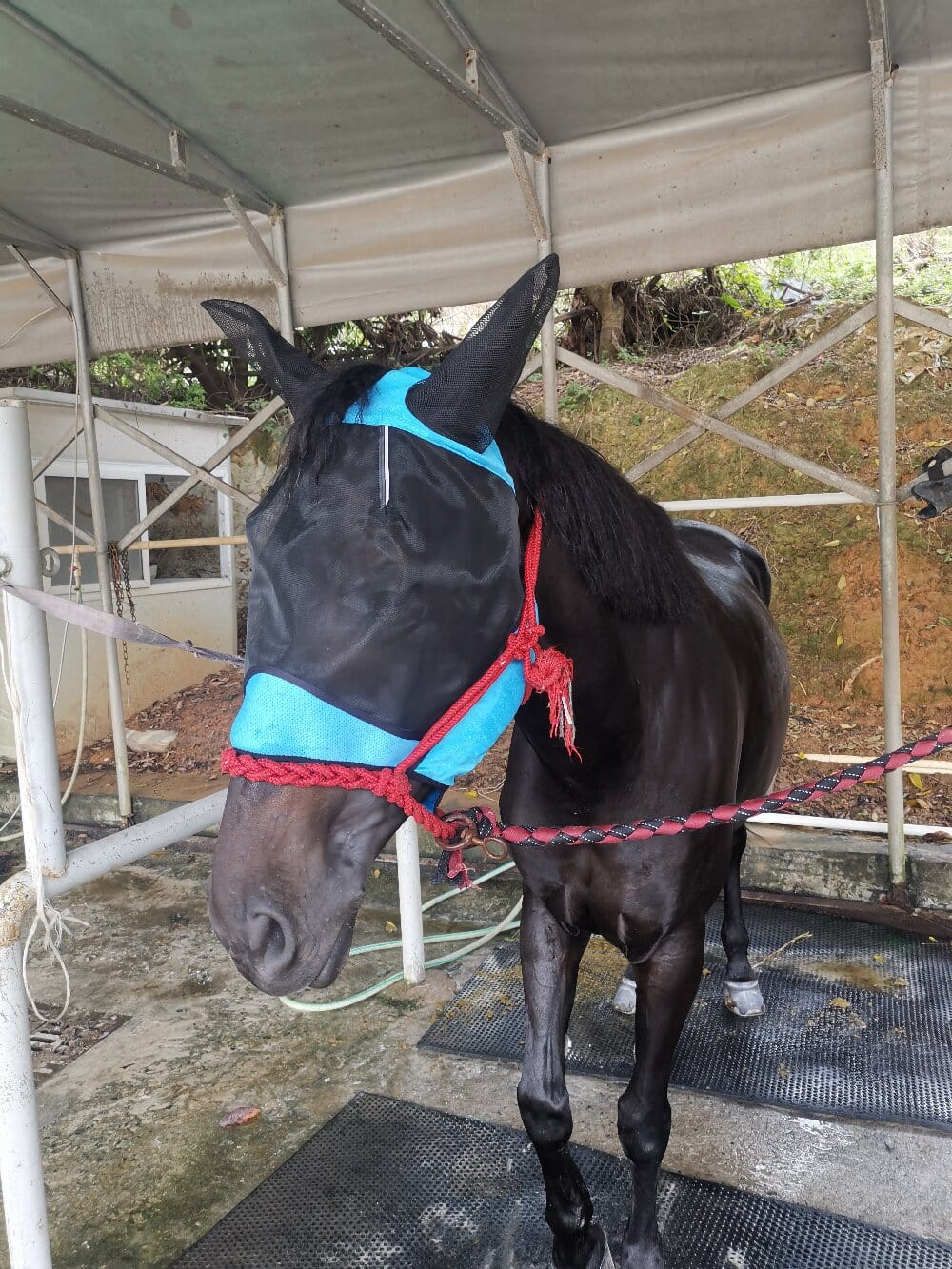
By the time the next decade rolls around, you will likely look back and wonder how you ever managed your horse’s summer routine without a technologically advanced horse fly mask. As heat waves intensify and insect populations shift toward longer, more aggressive seasons, the humble fly mask will evolve from a simple mesh barrier into a smart, data-driven piece of equine wearable technology. You will no longer toss a basic bonnet over your horse’s ears and hope for the best; instead, you will deploy a precision-engineered shield that actively protects, monitors, and adapts to your horse’s environment.
You Will See a New Generation of Smart Horse Fly Mask Technology
Imagine walking into your tack room in the near future and picking up a mask that does far more than block bugs. You will find fabrics woven with micro-sensors that detect fly density and humidity levels around your horse’s face. These sensors will send gentle alerts to your smartphone, telling you when it is time to bring your horse in or when the mask needs a cleaning. You will also see self-cleaning mesh surfaces that use UV-reactive coatings to break down organic debris, reducing the risk of bacterial buildup around the eyes and muzzle.
You will notice that tomorrow’s fly masks will be tailored with 3D scanning. Instead of guessing sizes, you will scan your horse’s head with your phone, and a custom-fit mask will be produced from breathable, ballistic-grade mesh. This means fewer rub marks, better airflow, and a dramatic drop in the frustration you feel when a standard mask slips or twists during turnout.
You Will Integrate Fly Protection Into Your Whole-Horse Wellness Plan
The future horse fly mask will not exist in isolation. You will sync it with smart paddock systems and wearable health trackers already worn on your horse’s poll or girth. When the mask detects a spike in fly activity, it will trigger automated misting systems or alert you to move your horse to a shaded, ventilated area. You will receive weekly reports on insect pressure trends for your region, helping you plan turnout schedules and veterinary care with far greater precision.
You will also see sustainability become a core feature. Tomorrow’s masks will use recycled ocean plastics and biodegradable mesh, and you will be able to return worn-out masks to the manufacturer for recycling credits. This closed-loop approach will appeal to horse owners who want to reduce their environmental footprint while keeping their animals comfortable.
- Solar-powered sensors that monitor temperature and insect activity.
- Antimicrobial and UV-resistant fabrics that last multiple seasons.
- Custom-fit designs based on 3D facial scans.
- Integration with smart barn and paddock management apps.
- Recyclable materials and take-back programs for old masks.
You Will Make Better Decisions With Predictive Data
Looking ahead, your horse fly mask will become a predictive tool. Machine learning models will analyze years of insect population data, weather patterns, and your horse’s individual sensitivity to predict when fly season will peak. You will receive proactive recommendations: “Increase mask usage by two hours per day starting next Tuesday,” or “Switch to the enhanced ear coverage model for the next three weeks.” This level of foresight will reduce reliance on chemical repellents and help you avoid the stress of sudden fly outbreaks.
You will also benefit from shared community data. When other owners in your area report high fly counts, your mask’s companion app will adjust its alerts accordingly, creating a cooperative network of protection that benefits every horse in the region.
Conclusion: You Will Be Ready for the Future of Fly Protection
The horse fly mask of tomorrow will be smarter, greener, and more personalized than anything available today. You will rely on it not just as a physical barrier but as a proactive partner in equine health management. By embracing these innovations, you will keep your horse comfortable, reduce your workload, and stay ahead of changing insect pressures—all while making more informed, sustainable choices for your barn.